
Trafikverket - EV Charging
Planning the Future of National EV Infrastructure
Case Study - Transport & Energy Transition
Where Spatial Analysis Meets Infrastructure Planning
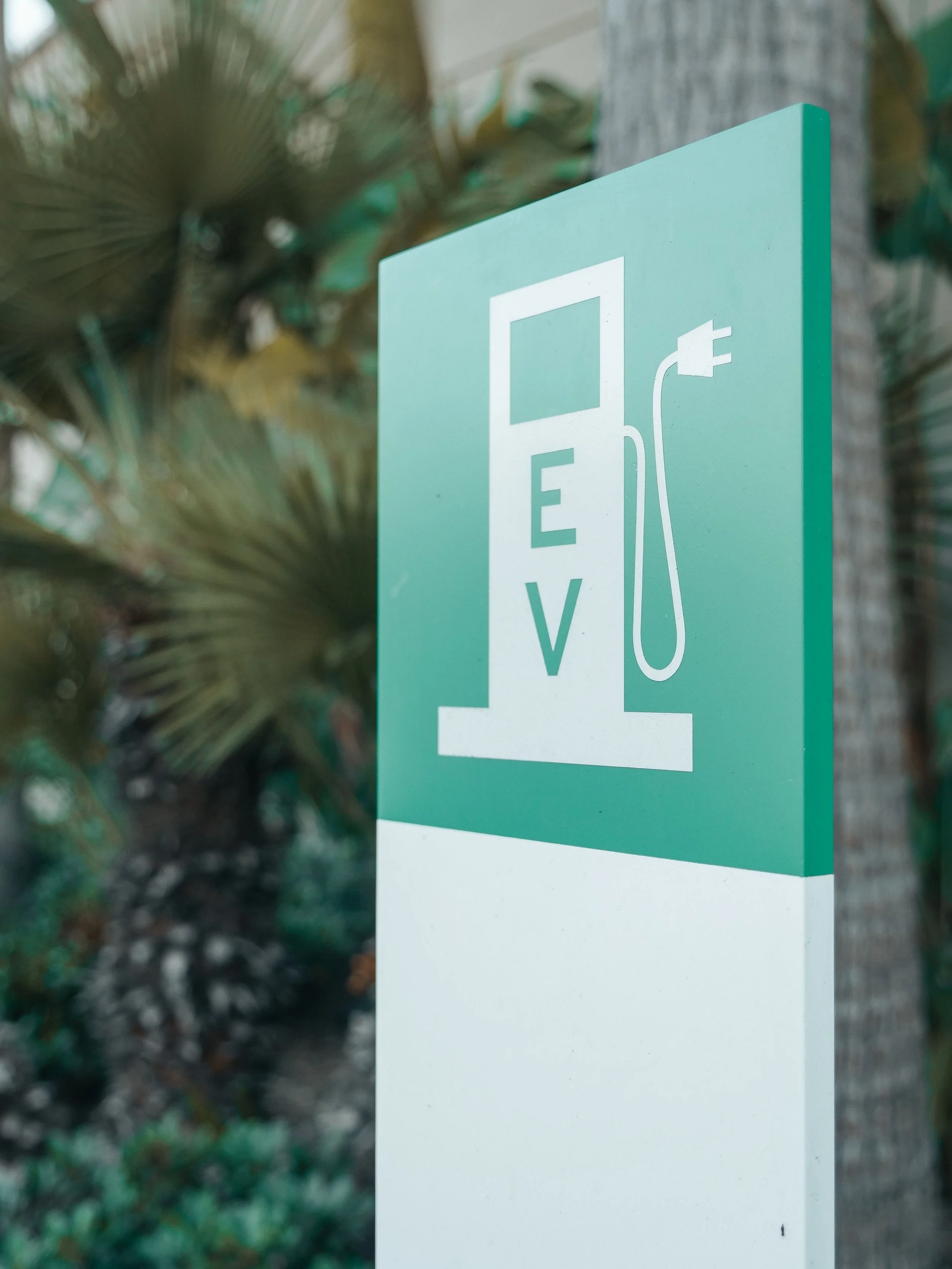
Planning a national rollout of electric vehicle charging infrastructure sits at an unusually difficult intersection: spatial analysis, public policy, and logistics all have to align. Left unchecked, these decisions can easily become driven by intuition, political pressure, or convenience rather than by what the data actually supports.
The Challenge
“Moving beyond intuition and politics, toward analytically grounded recommendations.”
Working as the sole consultant on this assignment carried full responsibility for the outcome. The first step was designing a structured information model methodology, built specifically on geospatial criteria relevant to charging infrastructure. That methodology was then applied through rigorous spatial data analysis, systematically working through the available data rather than relying on assumptions about where demand or feasibility might exist.
The Approach
The Outcome
The explicit goal throughout was to move decision-making beyond intuition and politics, replacing them with analytically grounded recommendations for optimal charging station placement across the national road network. The resulting approach was deliberately built to be replicable, giving Trafikverket a methodology that could support ongoing planning as infrastructure needs continue to evolve, not just a one-time set of recommendations.
Spatial Data Analysis, Methodology Design
Planning infrastructure that should be led by data, not guesswork?
Data-driven site-selection model
Transport & Energy Transition